Enhance Your Short-Form Video SEO: Rank and Convert on TikTok and YouTube Shorts
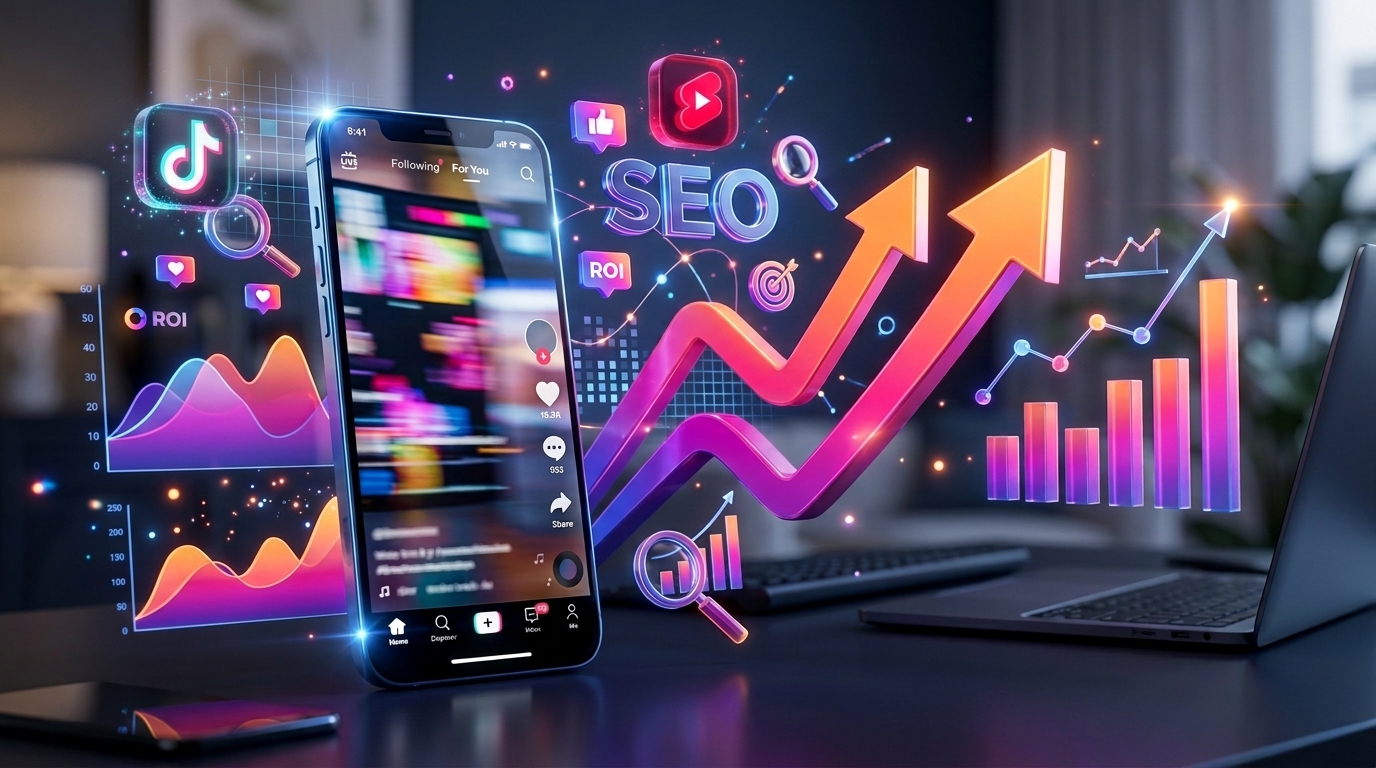
How to enhance your short-form video SEO so you rank and convert on TikTok and YouTube Shorts. TikTok and YouTube Shorts are dominating the video world, so understanding how to convert these views directly into sales is essential. Let’s dive straight into what you need to know to make your short-form videos work for your business strategy.
Key Takeaways
- Optimizing your short-form videos for search engines can directly impact your sales conversion rates.
- Understanding each platform’s algorithm helps tailor content that keeps viewers engaged and encourages conversions.
- Using AI tools can automate and enhance your video SEO process, saving time while maximizing impact.
- Direct links within videos should create a seamless transition from viewer to customer without leaving the platform.
Focus on Internet Marketing with Short-Form Video SEO
Let’s imagine you’ve just launched a brand new product. You could spend a small fortune on advertising, or you could leverage the power of TikTok and YouTube Shorts. Short-form videos are not just for entertainment; they’re powerful tools for increasing sales with the right SEO practices.
On TikTok, the algorithm favors content with high engagement rates. Therefore, your focus should be on creating content that’s not only informative but also visually engaging. Use trending music and hashtags to boost discoverability, and don’t forget to include a clear call-to-action. If you’re using an AI tool, it can help determine the optimal times to post and what trending hashtags to integrate.
With YouTube Shorts, 15-second video content is ideal for quickly demonstrating your product’s value. Ensure your title and description are keyword-rich, as these are indexed by YouTube’s search engine. AI tools can suggest potential keywords and assist in editing for maximum viewer retention.
Converting from Views to Sales: A Specific Strategy
Imagine you’ve captured the interest of thousands of viewers with your inspiring video content. Now, the challenge is turning those views into real sales. The key is keeping the customer engaged without disrupting their viewing experience.
Use interactive elements within the video itself. For example, YouTube Shorts allows for clickable overlays that link straight to your product page or sales funnel. On TikTok, use the description and comments to include a link that invites viewers to learn more about your product.
AI-powered tools can play a significant role in optimizing these strategies. They analyze viewer engagement to suggest improvements. When paired with a tool like ViralRevenueAI, you can automate this process, guide the viewer from interest to purchase, without ever leaving the platform.
Leveraging AI Tools for Video Optimization
Why struggle with the manual process when AI can automate the gritty details for you? AI tools like ViralRevenueAI, described in detail on our page here, can generate insights on optimal video lengths, times to post, and even suggest where to place calls-to-action within your content.
With AI, personalizing your video content for targeted customer groups becomes feasible. Analyzing viewer data can reveal invaluable insights, such as which demographic segments are more likely to convert—enabling you to tailor content more effectively.
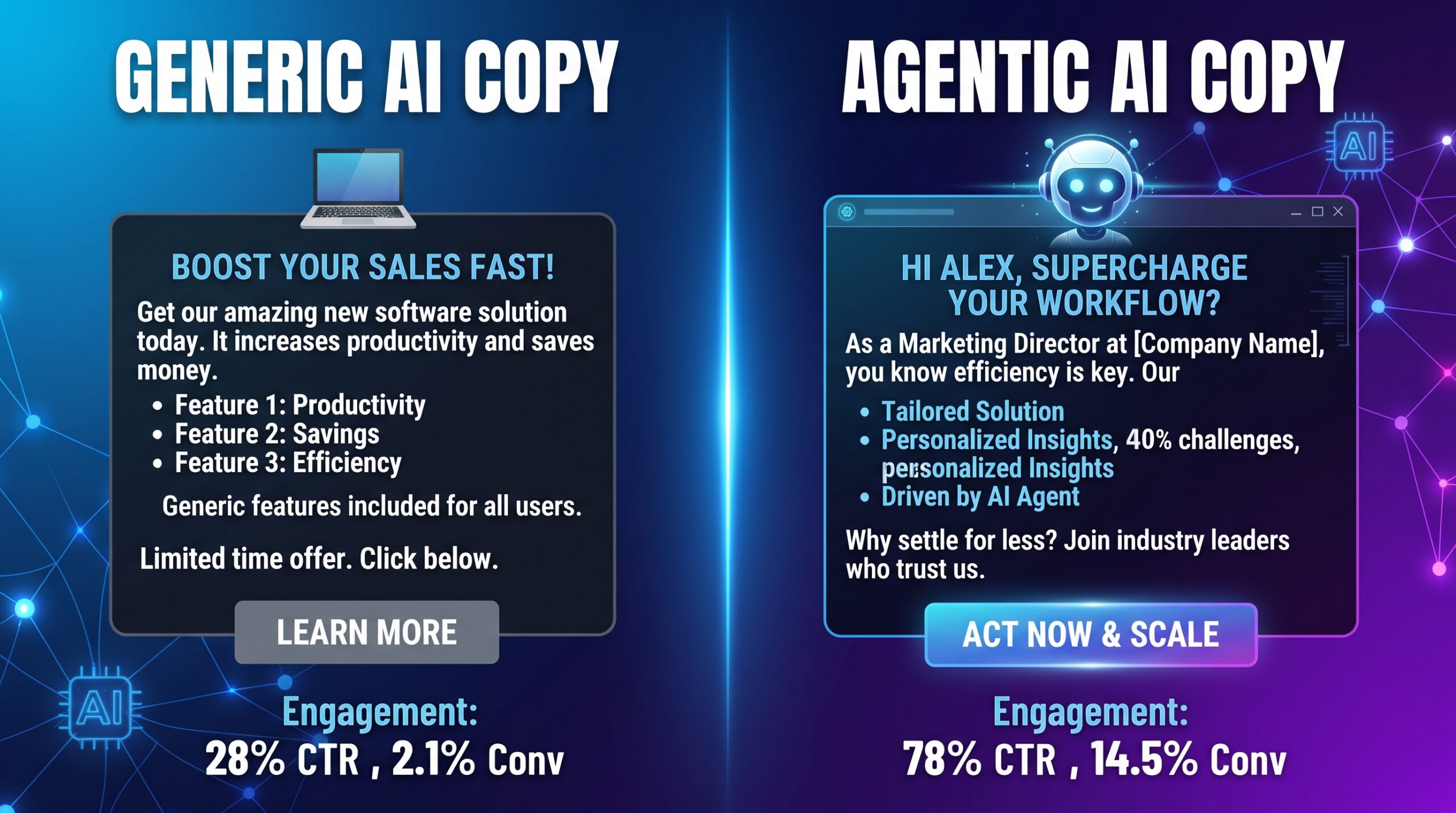
Simply put, AI doesn’t just assist—it enhances your entire strategy by providing actionable insights and automating content distribution, allowing you to keep your focus on crafting engaging video content. If you want further insights, learning about how marketers are using agentic AI to write high-converting sales copy can offer strategic depth, which you can explore here.
Tailoring Content for Each Platform
While TikTok and YouTube Shorts might appear similar, they have unique audiences and algorithmic nuances. TikTok thrives on trending content, whereas YouTube focuses on searchability and long-term viewership.
On TikTok, be trend-savvy without losing your unique brand voice. Customize captions and augment visuals with effects that hold your audience’s attention. Over on YouTube Shorts, the ideal CTA convinces viewers to subscribe to your channel or visit a link included in the description.
Optimizing these platform-specific elements also ensures compliance with accessibility standards and improves user experience, aligning with our accessibility commitment.
Frequently Asked Questions
How can AI tools help improve my TikTok and YouTube Shorts SEO?
AI tools can suggest trending topics, optimal keywords, and the best times to post, reducing manual effort and improving your content’s discoverability and engagement metrics.
What is the best way to convert short-form video views into sales?
Use clear CTAs within your videos; on platforms like YouTube, overlays link directly to your sales pages. AI tools can subtly integrate these links, making conversion more seamless.
How do TikTok and YouTube Shorts differ in terms of SEO?
While TikTok emphasizes trends and engagement, YouTube Shorts focuses more on keywords and longer-term viewership. Tailoring your strategy for each platform’s strengths is crucial.
Do I need different strategies for TikTok and YouTube content?
Yes. TikTok requires trend-focused, witty content with immediate calls-to-action. YouTube Shorts, however, benefits from evergreen content that leverages strong SEO practices.
Now that you have a solid foundation, it’s time to apply these strategies. If you’re looking to dig deeper into crafting compelling AI content that doesn’t sound robotic, visit our guide on writing posts in ten minutes without sounding like a robot.